Leave Your Message

Blog

China Top 10 Open Head Steel Pail Manufacturers

China Top 10 Open Head Steel Pail Manufacturers

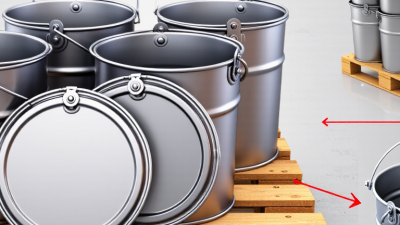
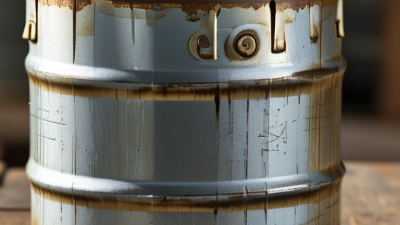
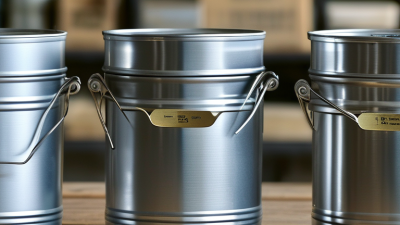
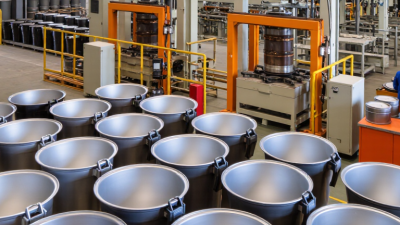
China’s Open Head Steel Pail industry keeps growing, largely through export packaging, chemicals, coatings, lubricants, and industrial materials. This guide rounds up ten manufacturers based in China, and it leans on practical production evidence rather than glossy ad copy. We compare things like steel quality, pail capacity, wall thickness, seam consistency, lid fit, gasket performance, and how well the surface coating holds up. It also looks at customization, batch stability, delivery records, and after-sales communication. Packaging author Walter Soroka once put it well: “A package is a silent salesman.” That idea fits an Open Head Steel Pail surprisingly well. A clean body, a firm lever-lock ring, a smooth interior—these can build trust before anyone opens the pail. Small details matter. A loose lid? Well, that doesn’t inspire much confidence. The manufacturers here may differ in equipment, certification experience, export reach, and what they specialize in. Some stick to standard 20-liter and 25-liter pails. Others handle printed surfaces, epoxy linings, conical designs, or reinforced covers. Before placing big orders, buyers should ask for samples, material specs, test reports, and production photos. Factory visits can tell you more than brochures ever will—especially when you’re looking at welding lines and stacking tests. No ranking is perfect. Supplier performance can shift with steel prices, management decisions, and order volume. A manufacturer that does great for paint might not be right for food-contact packaging or tougher chemical applications. That distinction really matters. So treat this overview as a practical starting point, not a final purchasing decision. Each buyer should verify current capabilities, packaging compliance, and quality controls directly with the supplier.
Read more »
Ethan By:Ethan - October 15, 2026
Top Industrial Packaging Suppliers for Global Buyers

Top Industrial Packaging Suppliers for Global Buyers

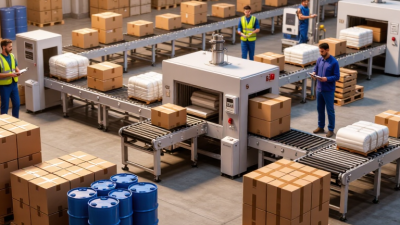
Choosing an Industrial Packaging supplier isn't just about who has the prettiest catalog. Global buyers need consistent quality, service that actually responds, and real proof that a supplier can produce what they promise. One damaged drum, a weak pallet, or a carton that isn't sealed right can hold up a whole shipment—and those small hiccups get expensive fast when you're shipping across borders. This guide looks at some of the leading names, including Greif, Mauser Packaging Solutions, Berry Global, Mondi, and International Paper. Each one has its own strengths, whether that's drums, flexible films, cartons, protective materials, or bulk containers. We compare things like product range, manufacturing reach, customization options, sustainability efforts, and how reliable their supply is. We also dig into the details buyers often skip over—minimum order quantities, packaging specs, lead times, and documentation. Real purchasing decisions are rarely simple. A big supplier might have lots of capacity but less wiggle room for smaller orders. A regional producer may move faster, but what happens if they can't back it up with extra facilities? No supplier is perfect. And that's kind of the point. Before signing anything, buyers should ask for samples, check closures, confirm load testing, and talk to recent customer references. Price alone can hide freight costs, storage risks, or dimensions that aren't consistent. Rules and technical standards also vary from market to market, so getting professional verification is still a must. This overview can help with research, but it's no replacement for site audits or qualified engineering advice. At the end of the day, reliable sourcing comes down to evidence—not slick promises.
Read more »
Sophie By:Sophie - October 12, 2026
What Are the 2026 Top Open Head Steel Pail Types?

What Are the 2026 Top Open Head Steel Pail Types?

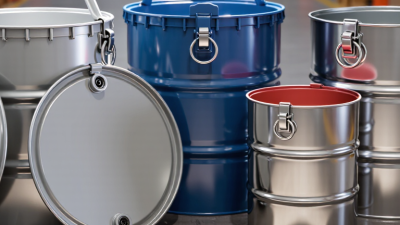
Okay, so choosing the right Open Head Steel Pail in 2026 isn't just about comparing capacity and price. Not even close. You've also got to look at steel thickness, lid design, coating quality, how strong the closure feels, and how easy the pail is to handle. A pail can look tough as nails on a warehouse shelf and still let you down when it's stacked, hauled around, or opened again and again. This guide takes a look at the leading Open Head Steel Pail types used in industrial, commercial, and everyday packaging jobs. You'll usually run into lug-cover pails, lever-lock pails, and ring-clamp designs. Each one has its own strengths—filling speed, seal security, reuse potential, storage, that kind of thing. What's best for you really comes down to the material, where it's being used, and how much protection the contents need. And yes, details matter. A 20-liter pail with a reinforced rim can be a solid pick if it gets handled often. A bigger 25-liter model might help you move more at once, but it also gets heavier to lift. Interior linings are another thing to watch, especially if what's inside might react with bare steel. Manufacturers like Greif, Mauser Packaging Solutions, and General Steel Drum are handy reference points when you're comparing build and specs. That said, rankings aren't set in stone. Testing methods, regional supply chains, and what customers expect can all shift the answer. Some product data out there may not line up from one supplier to the next, either. And honestly, that's worth acknowledging. Nothing beats a good in-person inspection. Check the lid fit, seam finish, handle balance, and surface coating before you commit. So here's the short version: this overview highlights the 2026 types most worth checking out, with a focus on dependable design, safe handling, and real-world usability.
Read more »
Sophie By:Sophie - October 7, 2026
Why Choose a Lever Lock Pail Lid for Global Sourcing?

Why Choose a Lever Lock Pail Lid for Global Sourcing?

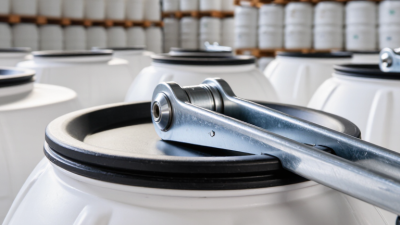
These days, global sourcing isn’t just about chasing the lowest unit price anymore. Buyers are paying more attention to stuff like material efficiency, how reliable transportation is, how well the product is protected, and whether suppliers can keep consistent quality. According to the OECD’s Global Plastics Outlook, worldwide plastics production shot up to 460 million tonnes in 2019—more than double what it was back in 2000. And since packaging still accounts for a big chunk of plastic use and waste, it’s clear that smart design choices really matter now. For example, a Lever Lock Pail Lid can help with that—combining a secure seal with easy, repeatable handling. It’s the kind of small thing that can make a big difference. But, honestly, the real proof is in how it performs in actual warehouse conditions. A sturdy steel lever should close tightly without forcing it. And the gasket needs to stay in place after stacking, bouncing around during transport, or experiencing different temperatures. When sourcing, it’s smart to ask for torque test records, leak-test results, drop-test procedures, and resin batch traceability. These details tell you more than just a shiny sample in a catalog. The World Bank’s Logistics Performance Index even shows how crucial shipment reliability is for global supply chains—being able to trust that a lid won’t leak or cause damaged cartons can save a lot of headaches and unnecessary rework on the other end. Of course, not every closure fits all applications. Things like chemical compatibility, filling temperature, the shape of the pail, and local recycling rules all come into play. Be wary of cheaper quotes—they might hide thinner components or weaker quality controls, which can be pretty sneaky. Industry research from Grand View Research keeps pointing out that sustainability and supply chain efficiency are the main drivers pushing innovation in plastic packaging today. So, when you’re comparing options, don’t just go for the lowest price—look at the overall performance you’re getting for your money. The best Lever Lock Pail Lid isn’t necessarily the cheapest one out there. It’s the one backed by real testing, good tech support, and a supplier willing to be upfront about its limits. Sometimes, you still need to review your assumptions—that kind of honesty just helps you make smarter sourcing decisions.
Read more »
Ethan By:Ethan - October 3, 2026
How to Choose a Clear Square Tin Can Lid for Your Business?

How to Choose a Clear Square Tin Can Lid for Your Business?

Picking a Clear Square Tin Can Lid isn’t just about how it looks—it actually impacts a bunch of other things too. For starters, it influences how well customers can see what's inside, how easy it is to handle the container, and how securely it stays closed. A clear lid can be a real game-changer because it allows folks to peek at colorful candies, tea leaves, craft supplies, or whatever else you’ve got inside—without cracking open the tin. That can really make your display pop. But hey, don’t just focus on looks alone. You’ll want to start by paying close attention to the exact size and the shape of the rim. Even a tiny mismatch can cause the lid to fit too loosely, make it tough to remove, or create uneven gaps around the edges. Those small details make all the difference. Before you go ahead and order in bulk, it's a good idea to ask your supplier for detailed drawings, material info, and some samples. It’s better to be safe than sorry, right? Also, check if the clear material works well with your product, especially considering storage and how you’ll be using it. Not all transparent lids are created equal—some might be made from different plastics, with varying durability. Assuming they’re all the same? Not a smart move. This guide walks you through what to look at when comparing lids—like fit, clarity, closure styles, and material choices—so you can find the right one for your business. It also gives practical tips on what to inspect, like examining the edges, testing how the lid sits on a full container, and making sure samples are consistent across batches. While these checks are helpful, they don’t replace detailed supplier info. Still, doing your due diligence upfront can save you headaches later, especially before your products go out to customers. Think about factors like your product’s weight, the shipping journey, how it will look on the shelf, and how often people might open the tin. Ultimately, the best lid isn’t just the one that looks nice in a catalog—it’s the one that actually works best for your specific needs.
Read more »
Maya By:Maya - September 28, 2026
How to Choose the Right Tin Can Handle for Your Product?

How to Choose the Right Tin Can Handle for Your Product?

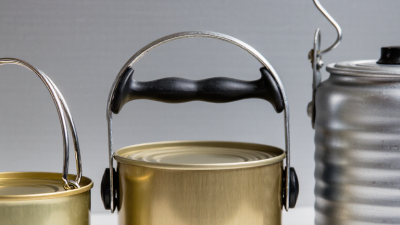
Choosing the right Tin Can Handle isn’t just about how it looks — it’s a pretty practical decision, really. The handle needs to match the can’s weight, size, filling method, and how it’ll be handled in the real world. You might see a small paint can, a food tin, or a promotional metal container that all look kinda similar, but their handle needs can be totally different. Packaging engineer Michael Turner from MetalPack Solutions sums it up nicely: “A handle isn’t just decoration; it’s a promise that it will hold up.” That’s something worth remembering. If a handle feels wobbly or unstable before you even fill the can, that’s a bad sign. The thickness of the wire, attachment points, how comfy the grip feels, and even the surface finish — all of these little things add up and affect how confident you feel about the handle. Even a tiny wobble can make it seem like the quality’s lacking. Start by looking at the actual weight of the product. Test the handle with the can full, tilted, stacked, and carried around a bunch of times. Check if the connection messes with the coating or creates any sharp spots that could be a problem. Keep in mind, people might be holding it with wet hands, gloves, or in dusty warehouses, and outside temp swings matter too. Honestly, the small stuff really counts. And remember — a handle that looks great can still fail if it’s not up to the job. Manufacturers should also think about whether they want steel or coated wire, the speed of production, resistance to corrosion, and whether the handle works with automated assembly lines. Opting for the cheapest option might save some cash upfront, but it could lead to returns or slow things down in the packing process — not exactly ideal. It’s a tough pill to swallow, but it’s better to figure this out early on. Lots of teams focus on how it looks first and then realize the handle’s not really suited for how they need to fill their cans. In the end, the perfect Tin Can Handle strikes a balance between strength, comfort, cost, and brand image. It should quietly support your product — when customers see how easy it is to use, that’s when you know the design’s doing its job without fuss.
Read more »
Maya By:Maya - September 23, 2026
How to Choose an Open Head Steel Pail in 2026?

How to Choose an Open Head Steel Pail in 2026?

Picking out an Open Head Steel Pail in 2026 isn’t just about comparing prices or flipping through some photos. You’ve gotta think about what really fits your product — like how you’ll fill it, how it’s gonna be stored, and how you'll ship it out. For example, if you’re dealing with thick coatings, you might need a more rugged body and a secure lever-lock lid. On the other hand, if it’s for food processing, then interior coatings, easy-to-clean surfaces, and documented compatibility are a must. Little details often matter more than you'd think — like a rough rim that could damage the gasket or a flimsy handle that makes everyday handling a pain. In my experience, just looking at capacity isn’t enough when you're buying. You really need to check the steel thickness, how well the seams are made, the closure design, and how well the lid fits. Also, see if the pail can sit steady on a pallet — stability is key. Don’t forget to consider things like condensation, temperature swings, stacking pressure, and how many times it’ll be moved around. Always ask your supplier for test reports, production records, and clear specs. Good suppliers won’t dodge tough questions — they’ll explain coating details, tolerances, and inspection processes openly. Plus, make sure everything lines up with the regulations you need to follow for your product and market. Here’s the thing: there’s no such thing as a perfect pail. Sometimes a heavier one isn’t better — it might hike up shipping costs or make handling more of a hassle. And a cheaper lining might cause issues down the road, even if it looks good when it arrives. I've seen folks focus way too much on just the unit price and then get caught out with closures failing during transport. It’s an easy mistake to repeat, honestly. This guide is here to help you think through the real-world stuff — safety, durability, usability, and overall costs — so you can make smarter choices. Keep in mind, some recommendations might need tweaking once you test things out in the real world. That’s not a flaw — it’s just responsible buying, plain and simple.
Read more »
Maya By:Maya - September 18, 2026
What Is a Pail Lid and How Does It Work?

What Is a Pail Lid and How Does It Work?

You might think a pail lid is pretty plain and simple, but trust me, it does quite a bit behind the scenes. It seals the container, keeps leaks at bay, and offers protection against dust, moisture, and accidental touches. Whether you're in a workshop, warehouse, or food processing area, those tiny lid details really make a difference in everyday handling. A snug fit? That's essential. Dr. Jay Singh, a packaging engineer and well-known educator in the field, sums it up perfectly: "A good closure protects what's inside but still needs to be practical for the user." This is why you see various designs of pail lids—some just snap on, while others have gaskets, locking rings, pour spouts, or tamper-evident features. Each element is meant to meet specific handling needs. Plus, the lid needs to match the pail’s material and rim design. Just looking at a lid, it might seem suitable, but when pressure, temperature shifts, or repeated opening come into play, it might not hold up. The process is all about physical fit and precision. When the lid presses against the rim, the edges form a tight seal. Adding a gasket can boost that seal even more. The force used to close it keeps everything in place during storage and transport—that’s no magic, just good engineering. Of course, not every pail lid works perfectly for every situation. Some lids are super easy to open but might not offer much protection, while others seal really well but need a bit more muscle to get on or off. So, it’s important to think about what you’re storing, how you’ll be handling it, how often you'll open it, and whether it needs frequent cleaning. This article dives into how lid construction, sealing pressure, and closure features all work together—highlighting a simple but close-to-the-heart truth: effective packaging really comes down to the little details that often get overlooked.
Read more »
Ethan By:Ethan - September 15, 2026
How to Ensure Good Packing for International Shipping?

How to Ensure Good Packing for International Shipping?

Shipping stuff internationally turns a simple box into a real protection system. I mean, that box’s gotta handle all kinds of things—vibrations, compression, humidity, temperature swings, and being tossed around multiple times. According to UNCTAD’s Review of Maritime Transport 2024, ships move over 80% of the world’s merchandise by volume. That’s a huge deal, which makes good packaging less of a fancy touch and more of a must-have for business. Walter Soroka, a packaging expert, describes packaging as “the science, art, and technology of enclosing and protecting products.” Honestly, that’s pretty spot-on—especially for exporters. A solid package protects the product, makes handling safer, and clearly shows important info. And as Smithers’ report "The Future of Global Packaging to 2028" points out, the demand for packaging is only going up—mainly because of international trade and e-commerce. More shipments mean more chances for damage, often things we could easily prevent. Details really do matter here: a glass jar shouldn’t just sit loose inside; it needs to be snug in a tested inner box. Empty corners? Yeah, they’re trouble—they invite movement. For moisture-sensitive items, you might want a sealed barrier, a desiccant, maybe a tough outer box. And for things like paint or chemicals, the packing has to resist leaks, impacts, and surface corrosion. Plus, the materials and markings should match the product, shipping route, and carrier’s needs. Getting packing just right isn’t easy, though. Even the sturdiest box can take a hit—like getting wet or a rough forklift bump. It’s honestly good to be honest about that. So, take a quick photo of the packed box before shipping, note down its weight, size, how it’s closed up, and note any weak spots you see. After each delivery, tweak and improve your packing based on what you learn. And here’s the thing: good packing isn’t just about throwing in more material. It’s about choosing the right amount of protection, testing it under real-world conditions, and making every step safer. Smart exporters see packing as part of their quality control—because when you get it right, it really makes a difference.
Read more »
Maya By:Maya - September 10, 2026
How to Choose Tinplant Can Components for Global Sourcing?

How to Choose Tinplant Can Components for Global Sourcing?

Picking out Tinplant Can Components for global sourcing isn’t just about comparing prices on a supplier spreadsheet — there’s a lot more to consider. Each part has to fit perfectly with your product, filling line, target market, and shipping route. Even a tiny mismatch in diameter or seam design can grind production to a halt. And honestly, the extra costs show up later, not upfront. Dr. Elena Marquez, a packaging engineer who specializes in metal packaging, puts it simply: “Reliable can sourcing starts where material performance meets process discipline.” This isn’t just theory — it’s based on real-world purchasing experience. Buyers should dig into details like steel grade, tin coating, temper, dimensions, internal varnish, and whether the closure matches up. Don’t just go by pictures — ask for technical drawings, coating specs, sample parts, and batch inspection records. And don’t forget, the supplier’s capabilities matter just as much. Check out their tooling controls, minimum order quantities, lead times, export packaging, and their history of handling problems. You might find a factory that prints some pretty great-looking custom paint can components, but struggles to deliver consistent quality when you order in bulk. Ask how they ensure seam integrity, coating adhesion, color consistency, and how they protect pallets during shipping. If possible, visit the place — video audits are helpful, but they can’t show everything, which is kind of an annoying limitation. Global sourcing also means clear communication. Make sure Incoterms, payment terms, labeling, certificates, and acceptable tolerances are all confirmed in writing. Keep in mind factors like humidity, port handling, stacking pressure, and seasonal demand — because a cheap unit price could hide expensive delays down the line. When choosing Tinplant Can Components, focus on proven performance, documented quality, and honest cooperation. The perfect supplier might not exist — but a reliable one will prove its worth through consistent batches, truthful reporting, and quick improvements when needed.
Read more »
Maya By:Maya - September 7, 2026
China Top Quality Closed Printed Tin Barrels for Export?

China Top Quality Closed Printed Tin Barrels for Export?

When it comes to packaging solutions these days, 'Closed Printed Tin Barrels' have really become a key player across various industries. I mean, experts like Mr. John Thompson, who's pretty much an authority on metal packaging, always talk about how crucial quality is. He once said, 'Effective packaging is vital for product integrity,' and honestly, he's onto something. His insights really drive home how important it is to have high standards in both how these barrels are made and designed. These tin barrels aren’t just about being practical; they also add a nice touch when it comes to branding. They’re great for safely storing liquids and still catching the eye with their design. But here’s the thing — not all manufacturers are at the same level. Some really need to step up their game and focus on quality. It’s essential for companies to make sure their products meet international standards and what consumers expect. Creating these barrels isn’t just about throwing some materials together; it’s about craftsmanship and using sturdy materials. That said, there are definitely hurdles. Some players might try to cut corners to save a buck, which sadly results in lower quality products. For any manufacturer looking to stay ahead, keeping a close eye on quality assurance is a must. As this market keeps growing, finding that sweet spot between cost and quality gets trickier — but it’s definitely worth it.
Read more »
Ethan By:Ethan - August 27, 2026